
Why Choose Security Solutions from Texas Communication Services
By Raul Escalante, Texas Communication Services
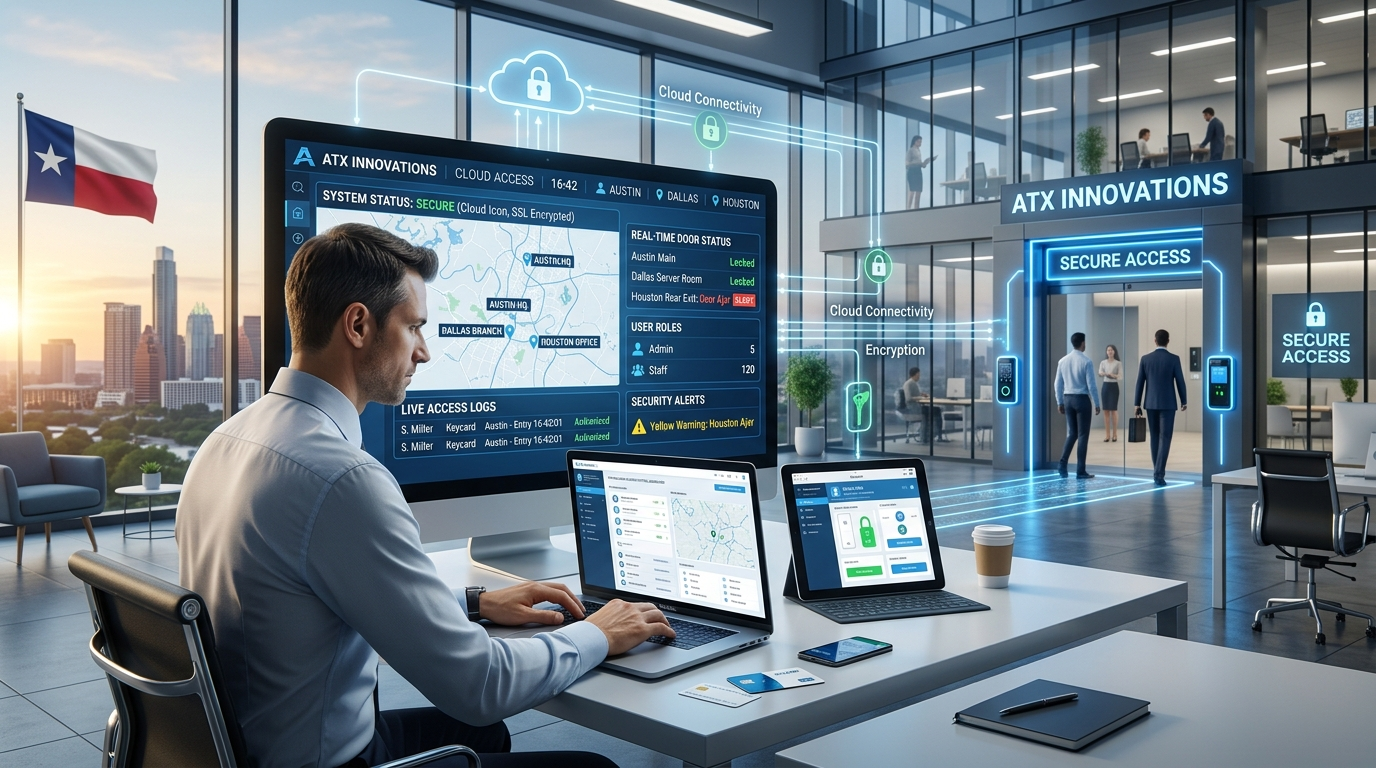
In a world where security concerns are paramount, cloud-based access control systems offer a streamlined solution for managing access to multiple doors from a single dashboard. This innovative technology allows businesses, particularly in Texas, to monitor and control access efficiently and securely. In this article, we will explore the key benefits, features, and implementation strategies of cloud-based multi-door access control, enabling Texas businesses to optimize their security infrastructure. With heightened incidents of unauthorized access and security breaches, these systems provide a robust response to evolving threats. Additionally, we will discuss the role of Texas Communication Services in facilitating seamless integration of these solutions for local SMBs.
Ensuring only authorized entities can access cloud systems is paramount, as highlighted by a pivotal discussion on advanced access control and authentication in cloud security.
Cloud Security: Advanced Access Control & Authentication
Ensuring that only authorized users and devices can access cloud systems is cyber-attacks. Advanced authentication and access control measures are integral to securing cloud The Synergy of Cloud Computing and Cybersecurity: Ensuring Device Protection and Data Integrity, 2022
What Are the Key Benefits of a Cloud-Based Multi-Door Access Control System?
Cloud-based multi-door access control systems offer several advantages that significantly improve security and operational efficiency. These systems provide enhanced security, centralized management, and cost-effectiveness. Utilizing advanced technologies, they allow businesses to streamline their access control processes and reduce risks.
- Enhanced Security: By leveraging real-time monitoring capabilities, businesses can actively supervise access points and receive immediate alerts regarding unauthorized entries. This rapid response enhances overall security measures.
- Centralized Management: Cloud-based solutions enable administrators to manage multiple doors from a single interface, allowing for easier updates and modifications to access permissions.
- Cost-Effectiveness: Businesses can reduce physical hardware costs related to traditional access control systems. Additionally, the subscription-based model allows for predictable budgeting and expense management.
These benefits illustrate how cloud access control systems are invaluable for businesses aiming to bolster their security while optimizing operational efficiency.
How Does Centralized Remote Door Management Improve Business Security and Efficiency?
Centralized remote door management is a transformative approach that enhances security and efficiency for businesses. This system allows remote control over access points, enabling real-time actions that can prevent potential security breaches.
By implementing centralized remote management, organizations benefit from:
- Real-Time Monitoring: Administrators can monitor access logs and receive alerts instantly regarding unusual activity, improving response times during security incidents.
- Automated Responses: If an unauthorized attempt occurs, systems can trigger automatic alerts or lockdown procedures, minimizing the risk of breaches.
- Streamlined Operations: Centralization allows for quick and easy adjustments of access permissions, saving time and reducing the administrative burden on staff.
In this dynamic security landscape, centralized remote door management is essential for proactive security strategies.
What Cost Savings and Scalability Advantages Does Cloud Access Control Offer for SMBs?
Small and medium-sized businesses (SMBs) can leverage cloud access control systems to not only enhance security but also achieve significant cost savings. Here are some key advantages:
- Minimized Physical Hardware Costs: Cloud systems reduce the need for extensive hardware installations, allowing SMBs to allocate resources more efficiently.
- Subscription-Based Budgeting: This model provides predictable costs, alleviating financial pressures associated with large upfront expenses for hardware purchase and installation.
- Scalable Designs for Growth: As businesses expand, cloud access control systems can be easily scaled to include additional doors and functionalities without significant reinvestments.
These factors combined make cloud access control an attractive option for Texas SMBs looking to streamline their security operations while maintaining a budget.
A deep dive into cloud computing’s impact reveals how evaluating cost-benefit algorithms for access control is crucial for businesses.
Business Considerations for Cloud Access Control Algorithms
Chapter 10 onwards we expose the readers to business considerations from effective cost benefit and or algorithm for access control to evaluate whether to grant or deny access.
Cloud computing with security and scalability, NK Sehgal, 2020
Which Features Define Leading Cloud Access Control Software Platforms?
When evaluating cloud access control software platforms, several defining features elevate the effectiveness and usability of the systems. Key features to consider include:
- Centralized Management: The ability to control all doors from a single dashboard is critical for operational efficiency.
- Mobile Management: Many platforms offer mobile access, allowing administrators to manage access on the go.
- Scalability: As an organization grows, its access control system should easily scale to accommodate new doors and functionalities.
By focusing on these key features, businesses can choose the right solution to meet their specific security needs.
How Do Real-Time Monitoring and User Role Permissions Enhance Access Control?
Real-time monitoring and user role permissions are crucial elements that strengthen access control systems. These elements ensure that access is granted based on necessity and enhances overall security.
- Tracking and Recording Events: Real-time monitoring allows businesses to track entry and exit times, ensuring users are monitored correctly. This information is invaluable for audits and incident investigations.
- Granular Control of Access Levels: By defining user role permissions, companies can ensure that only authorized personnel can access sensitive areas, reducing the risk of internal threats.
Incorporating these features into access control systems provides a more secure environment for businesses.
Why Is Integration with Existing IT Infrastructure Essential for Access Control Solutions?
For access control solutions to be effective, integration with existing IT infrastructure is essential. It allows for seamless communication between various components of the security system.
- Centralized Management: A well-integrated system allows for easier management of access points alongside other security measures, ensuring smooth operations.
- Improved Efficiency: Integration streamlines processes and improves the overall efficiency of security protocols, making access control a more cohesive part of the organization’s security strategy.
- Scalability: An integrated system can expand with the organization, accommodating new technologies as they emerge.
The benefits of integration emphasize the importance of choosing access control solutions that fit within the existing IT framework.
How Can Dallas Businesses Implement Cloud-Based Access Control for Optimal Security?
Implementing cloud-based access control systems in Dallas requires a strategic approach to ensure optimal security and functionality. Here are key steps to consider:
- Expert Support: Partnering with local experts, such as Texas Communication Services, provides valuable insights and tailored solutions that cater to specific security needs.
- Training for Staff: Providing adequate training ensures that employees understand how to use the system effectively, maximizing its potential.
- Ongoing Assistance: Continuous support guarantees that businesses can resolve any issues promptly and adapt to changes in security requirements.
These steps can pave the way for successful implementation, allowing businesses to maximize the benefits of cloud access control.
What Are Best Practices for Deploying Cloud Access Control Across Multiple Doors?
Deploying cloud access control systems across multiple doors requires careful planning and implementation. Here are best practices to follow:
- Assessment of Needs: Conducting an assessment determines the unique requirements of the business, ensuring that the installed system addresses specific security concerns.
- Professional Installation: Utilizing professionals for installation guarantees correct setup and configuration, reducing future complications.
- Regular Updates: Keeping systems updated is crucial for security, as updates often include important patches that address vulnerabilities.
By adhering to these practices, businesses can optimize their deployment processes and maintain effective security measures.
How Does Local Expert Support from Texas Communication Services Facilitate Implementation?
The support provided by Texas Communication Services significantly enhances the implementation of cloud-based access control systems. Their expertise allows businesses to navigate the complexities of installation and integration smoothly.
- Expert Knowledge: With a deep understanding of security technologies, Texas Communication Services can offer tailored solutions that meet unique business needs.
- Training Resources: They provide training to ensure staff can effectively operate the system, improving security and efficiency.
- Scalable Solutions: As technology evolves, Texas Communication Services can facilitate upgrades and adapt security measures to meet changing demands.
The partnership with local experts ensures that businesses in Texas can confidently implement and optimize their access control systems.
What Security and Compliance Standards Must Cloud Access Control Systems Meet?
Cloud access control systems must adhere to certain security and compliance standards to ensure that they provide effective protection and meet regulatory requirements. Essential considerations include:
- Compliance Regulations: Systems should comply with relevant regulations, such as HIPAA or GDPR, depending on the industry.
- Data Protection Measures: Implementing strong encryption, user authentication, and regular audits helps safeguard sensitive data.
By adhering to these standards, businesses can enhance their security posture and build trust with stakeholders.
How Do Cloud Access Control Solutions Align with Industry Cybersecurity Requirements?
Cloud access control solutions align with industry cybersecurity requirements to mitigate risks associated with unauthorized access. By following best practices for information security, these systems can significantly reduce vulnerabilities.
- Adoption of Strong Security Protocols: Implementing robust security measures, including multi-factor authentication and regular software updates, helps defend against cyber threats.
- Regular Security Assessments: Conducting assessments ensures that systems are regularly evaluated for potential weaknesses, enabling proactive risk management.
By staying aligned with industry requirements, cloud access control systems not only enhance security but also foster organizational trust and compliance.
What Role Does Continuous Monitoring Play in Ensuring System Reliability and Safety?
Continuous monitoring plays a pivotal role in maintaining the reliability and safety of cloud access control systems. By consistently analyzing data and user behavior, businesses can identify irregularities and respond swiftly to potential threats.
- Identifying Vulnerabilities: Monitoring helps detect security gaps before they can be exploited, facilitating rapid corrective actions to prevent breaches.
- Improving Response Times: Immediate analysis and alerting systems enhance the organization’s ability to respond to incidents in real-time, minimizing potential impacts.
With continuous monitoring, businesses can instill confidence in their security systems.
What Are Typical Pricing Models and Service Agreement Options for Cloud Access Control?
Understanding the pricing models and service agreements associated with cloud access control systems is vital for businesses planning their budgets. Typical offerings include:
- Clear Pricing Structure: Many providers offer straightforward pricing based on the number of doors and features required.
- Service Agreement Types: Options such as maintenance agreements, support contracts, and subscription plans cater to varying business needs.
By evaluating these models, businesses can select the right financial arrangements that suit their operational requirements.
How Does Transparent Pricing Support Business Budget Planning in Access Control Solutions?
Transparent pricing is crucial for businesses as it aids in budgeting and financial planning for access control solutions. A clear understanding of costs allows for better allocation of resources, ensuring all aspects of security are accounted for without unexpected expenses.
Transparent pricing fosters trust and allows businesses to make informed decisions regarding their security needs.
How Have Texas SMBs Benefited from Cloud-Based Access Control: Case Studies and Testimonials?
Texas SMBs have increasingly adopted cloud-based access control systems, experiencing numerous benefits. Case studies reveal significant improvements in security and operational efficiency:
- Security Improvements: Many businesses report enhanced security protocols that have substantially reduced unauthorized access incidents.
- Operational Efficiency: Streamlined access management has led to quicker responses and overall improved operational workflows.
These findings showcase the positive impact that cloud-based access control has had on local businesses, validating its implementation.
Examining the adoption of cloud-based Management Information Systems (MIS) within Texas SMBs further underscores the transformative potential for operational efficiency and scalability.
Cloud MIS Adoption for Texas SMBs: Efficiency & Scalability
Cloud-based Management Information Systems (MIS) offer transformative potential for Small and Medium Enterprises (SMEs) by enhancing operational efficiency and scalability. This study aims to evaluate the opportunities and challenges associated with the adoption of cloud-based MIS in SMEs, focusing on operational efficiency, cost management, and competitive advantage. Conducted at the Department of Management Information Systems, Texas A&M University-Texarkana, from June to December 2023, the research utilized a mixed-methods approach. Quantitative data were collected through surveys distributed to 200 SMEs implementing cloud-based MIS, measuring variables such as operational efficiency, cost savings, and user satisfaction. Cloud-based management information systems opportunities and challenges for small and medium enterprises (SMEs), S Rahman, 2024
What Security Improvements Have Dallas Businesses Experienced After Deployment?
Dallas businesses have noted remarkable security enhancements following the deployment of cloud-based access control systems. Key improvements include:
- Reduced Incidents of Unauthorized Access: Companies report a decline in security breaches thanks to effective monitoring and management.
- Increased Employee Safety: Enhanced access protocols ensure only authorized personnel can access sensitive areas, fostering a secure workplace environment.
These improvements highlight the effectiveness of cloud-based solutions in addressing security challenges faced by businesses.
Why Do Customers Recommend Cloud Access Control Solutions from Texas Communication Services?
Customers praise cloud access control solutions from Texas Communication Services for several reasons:
- Customer Satisfaction: High levels of customer service and support contribute to positive user experiences.
- Expertise and Support: Organizations appreciate the guidance provided during implementation and ongoing support, which ensures optimal system performance.
These endorsements reflect the value that Texas Communication Services brings to businesses seeking reliable access control solutions.