
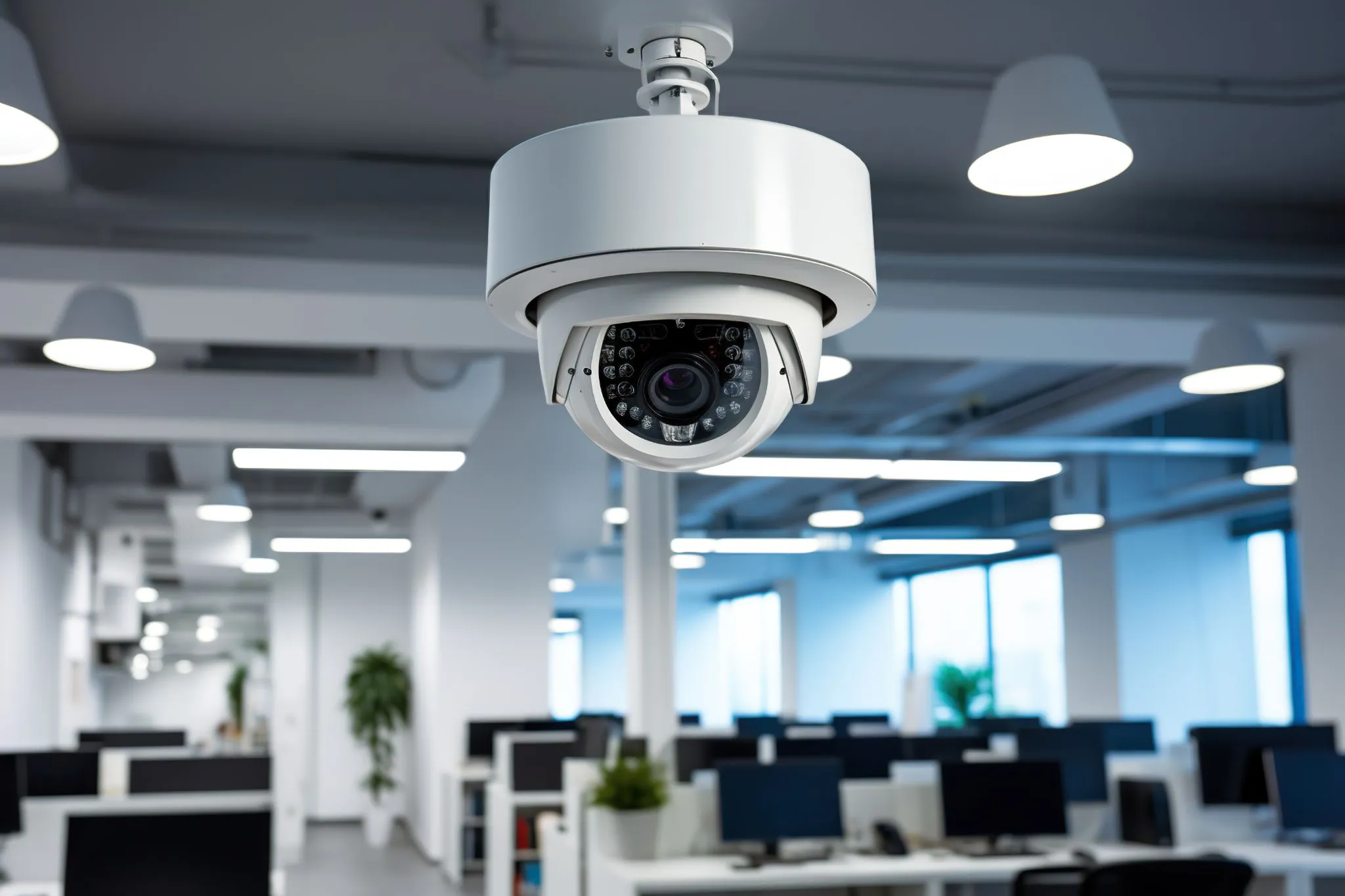
Wires or Wi-Fi? Compare wired and wireless security cameras and find the best option to keep your office safe and secure.
Having a reliable security camera setup is essential for modern offices that depend on strong security and surveillance cameras to protect assets and monitor daily operations. However, choosing wired or wireless security cameras is not always a simple decision.
Both options deliver strong protection, yet the ideal choice depends on your office layout, infrastructure, and long-term goals. At the heart of the debate is a simple trade-off – the rock-solid reliability of a wired connection versus the flexibility of a cable-free wireless security camera setup.
Understanding Wired Security Systems
A wired security camera system uses physical cables to transmit both data and power. These systems typically use DVR or NVR setups and many modern installations rely on PoE cameras (Power over Ethernet), where a single cable handles both power supply and data transmission.
Since the cameras are physically connected, wired systems offer strong and consistent stability. They are not affected by Wi-Fi interference, making them a reliable choice for environments where continuous uptime is important. In fact, wired security cameras are less vulnerable to signal disruptions, which is why they are often considered the gold standard for commercial security.
Installation can be more complex. Running cables through walls and ceilings usually requires a professional setup. However, once installed, wired systems deliver steady performance, making them ideal for large offices or multi-floor buildings where dependable wired surveillance is essential.
Pros of wired systems:
- Stable and uninterrupted video feed
- High-quality recording, including 4K support
- Strong reliability for long-term use
- Ideal for large offices and commercial security setups
Cons of wired systems:
- Higher upfront installation cost
- Requires professional installation
- Less flexible camera placement
- Installation can be time-consuming
Why Modern Offices Prefer Wi-Fi Connectivity
A wireless security camera system is ideal for businesses that value convenience and flexibility. These wireless camera systems connect through Wi-Fi, allowing for quick and easy installation with no drilling or cabling required.
For smaller offices or rented spaces, this is a major advantage. Cameras can be installed without changing the building structure and easily moved or repositioned when needed. Many battery-powered wireless security cameras and even solar-powered wire-free security cameras remove the need for a constant wired power supply.
However, wireless security cameras depend heavily on a strong internet connection. Weak wireless networks can cause lag, delays, or dropped footage. In addition, wireless cameras may require regular battery checks or access to nearby power outlets.
Pros of wireless setups:
- Fast and easy installation
- Highly flexible and easy to reposition
- Scalable for growing office needs
- No need for extensive wiring
Cons of wireless setups:
- Relies on stable Wi-Fi connection
- Possible signal interference or dropouts
- May require regular battery maintenance
- Potential security risks if not properly encrypted
Direct Comparison: Wired vs. Wireless Security Cameras
Businesses today explore different security solutions depending on their office needs, especially when balancing performance and flexibility. When comparing wired vs wireless security cameras, it’s important to break the decision down into three key pillars – reliability, scalability, and maintenance.
- Reliability
Wired systems deliver more consistent performance because they use a direct wired connection instead of relying on Wi-Fi. This makes them less prone to signal drops or interference. Wireless cameras, however, offer greater convenience but may experience occasional disruptions depending on network strength.
- Scalability
Wireless systems are easier to expand. A wireless security camera system allows businesses to add new units quickly without running new cables, making it a practical choice for growing offices or flexible layouts.
- Maintenance
Wired systems generally require less ongoing upkeep once installed. Wireless security cameras may need more attention, including battery replacements, firmware updates, and Wi-Fi troubleshooting.
- Security concerns
Wired systems are harder to “jam” because they are not dependent on wireless signals. However, modern wireless systems use strong encryption to help protect against hacking risks and unauthorized access.
- Video quality and data storage
Wired setups often perform better with high-resolution video, especially 4K streams, because they can handle large data loads more efficiently without stressing the office network. Wireless systems may compress video or rely heavily on network bandwidth, which can affect performance in busy environments.
Factors to Consider for Your Office
When choosing between wired vs wireless security cameras, the right decision often depends on your office’s specific needs and environment.
- Office size and layout
The size of your workspace plays a major role. Larger offices or buildings with wide perimeters usually benefit more from a wired backbone. A wired security camera system provides stable coverage across multiple floors and long distances, making it ideal for consistent monitoring in bigger commercial spaces.
- Budget and long-term value
Budget is another key factor. Wireless systems typically have a lower upfront cost and are easier to install. However, wired systems often deliver a higher return on investment over time due to their durability, lower maintenance needs, and longer lifespan. While wireless options may seem more affordable initially, wired setups can be more cost-effective in the long run.
- Compliance and storage requirements
Some industries have strict rules about data storage and security. Depending on your business, you may be required to use local storage instead of cloud-based systems, or vice versa. Wired systems often support local recording setups, while wireless solutions commonly integrate with cloud storage. Understanding these requirements is essential when selecting the right security camera system for your office.
Making the Final Decision: A Business Owner’s Checklist
Before deciding between wired and wireless security cameras, it helps to evaluate your office environment and long-term needs carefully.
- Physical layout and building materials
The structure of your office can strongly affect performance. Thick stone or concrete walls can weaken wireless signals and reduce the reliability of a wireless security camera system. On the other hand, open-plan layouts may support better coverage for wireless cameras but can still face interference depending on device density and network load.
- Future growth and scalability
It’s important to think ahead. As your team grows, your security needs will likely expand too. A system should be easy to scale without major disruption. Wireless options make expansion simple, while a wired security camera system may require more planning but offers long-term stability for larger setups.
- Professional assessment
Working with a professional installer can make a big difference. They can identify hidden Wi-Fi dead zones, recommend optimal camera placement, and plan the best routes for cabling if you choose a wired setup. This ensures your security system is designed for maximum coverage and reliability from the start.
The Hybrid Strategy: Combining the Best of Both Worlds
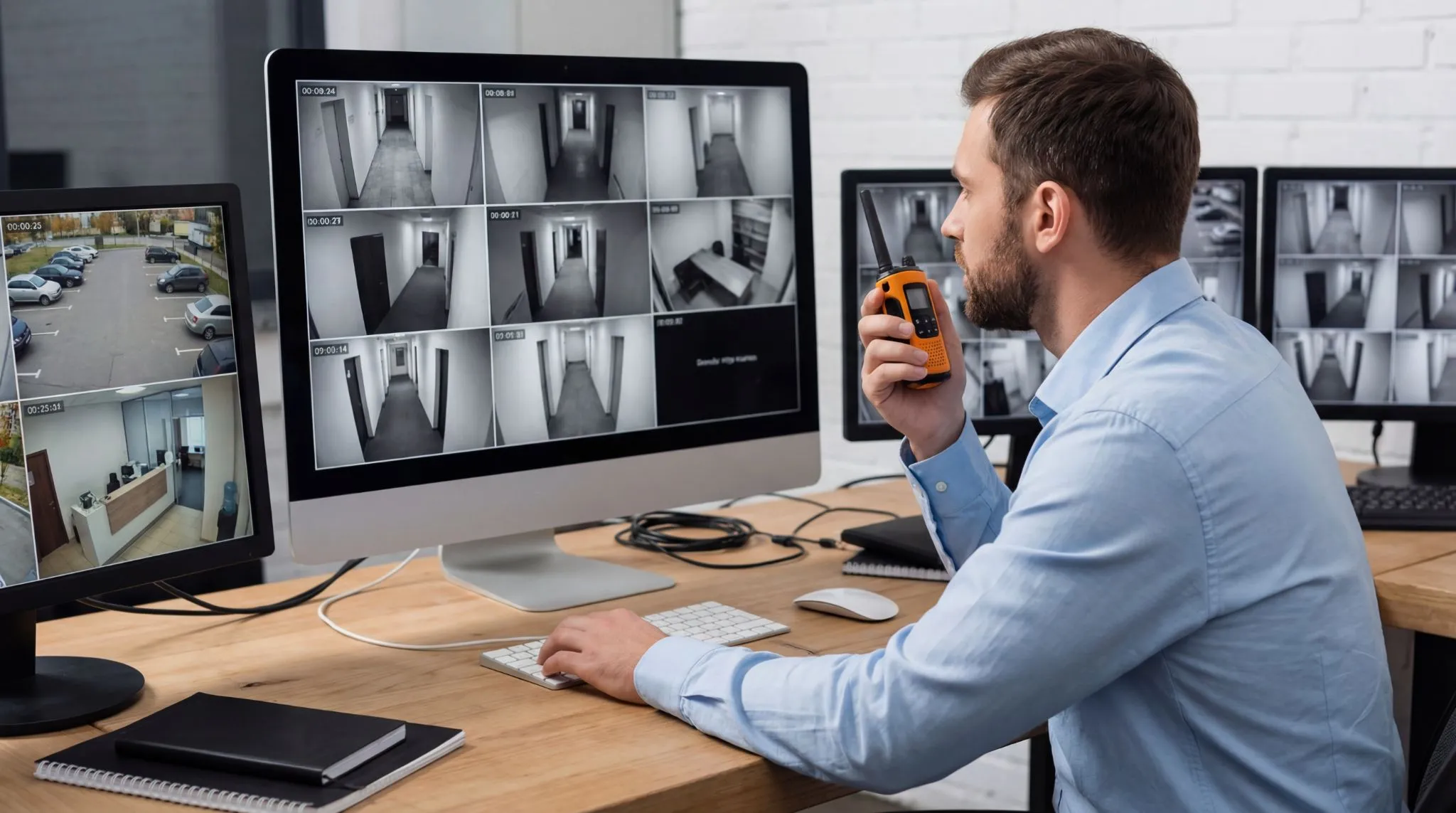
Many modern offices don’t rely on just one option when choosing between wired and wireless security cameras. Instead, they adopt a hybrid model that combines the strengths of both systems.
In this setup, a wired backbone is used for critical areas like main entrances, hallways, and server rooms where consistent monitoring is essential. Meanwhile, a wireless security camera system is ideal for flexible spaces such as meeting rooms, co-working areas, or temporary workstations where layouts may change often.
This approach adds an important layer of reliability. If Wi-Fi performance drops or becomes unstable, the wired security camera system continues to operate without interruption, ensuring your core surveillance remains unaffected.
Another major advantage is centralized control. Today’s unified platforms allow businesses to manage both wired and wireless security cameras from a single dashboard. This makes it easier to monitor activity, adjust settings, and maintain full oversight across the entire office security system without switching between multiple tools.
Choosing the Best Protection for Your Office Assets
Ultimately, the choice between wired and wireless comes down to your office’s infrastructure and priorities. Wired vs wireless security cameras each have their strengths. Wired systems deliver unmatched reliability, while wireless solutions provide the agility modern businesses need.
If you’re looking for the best solution, consider how your office operates today and how it might grow tomorrow. The goal is to build a security camera system that delivers consistent, high-quality monitoring and peace of mind.
If you’re still unsure whether to go with wired or wireless security cameras, Texas Communication Services is here to help. Our experts will assess your office, recommend the best setup, and handle installation from start to finish.
Contact Texas Communication Services today to design a smarter, more reliable security solution tailored to your business.